Our Water Bill Tripled: A Hidden Tank Leak in Riyadh and Setting Up NWC and SEC Accounts
Last updated: 11 November 2026
The short version: if you rent an apartment or villa in Saudi Arabia, check when you move in that the water (NWC) and electricity (SEC) accounts are properly linked to you, and close them out when you move out. And if a bill suddenly jumps several times over, suspect a leak before you suspect your own habits. I learned both of these the expensive way.
Usually SAR 200, this month over SAR 700
Our water bill is normally around SAR 200 a month. This month it came in at more than SAR 700.
At first we had no idea why. Nobody new had moved in, and we couldn’t remember using much more water than usual.
Someone else noticed before we did. It seems the National Water Company (NWC) flagged the threefold jump in usage as unusual and contacted our landlord. The landlord called the company that built the house, and their engineers came to inspect.
The culprit: a valve on the underground tank
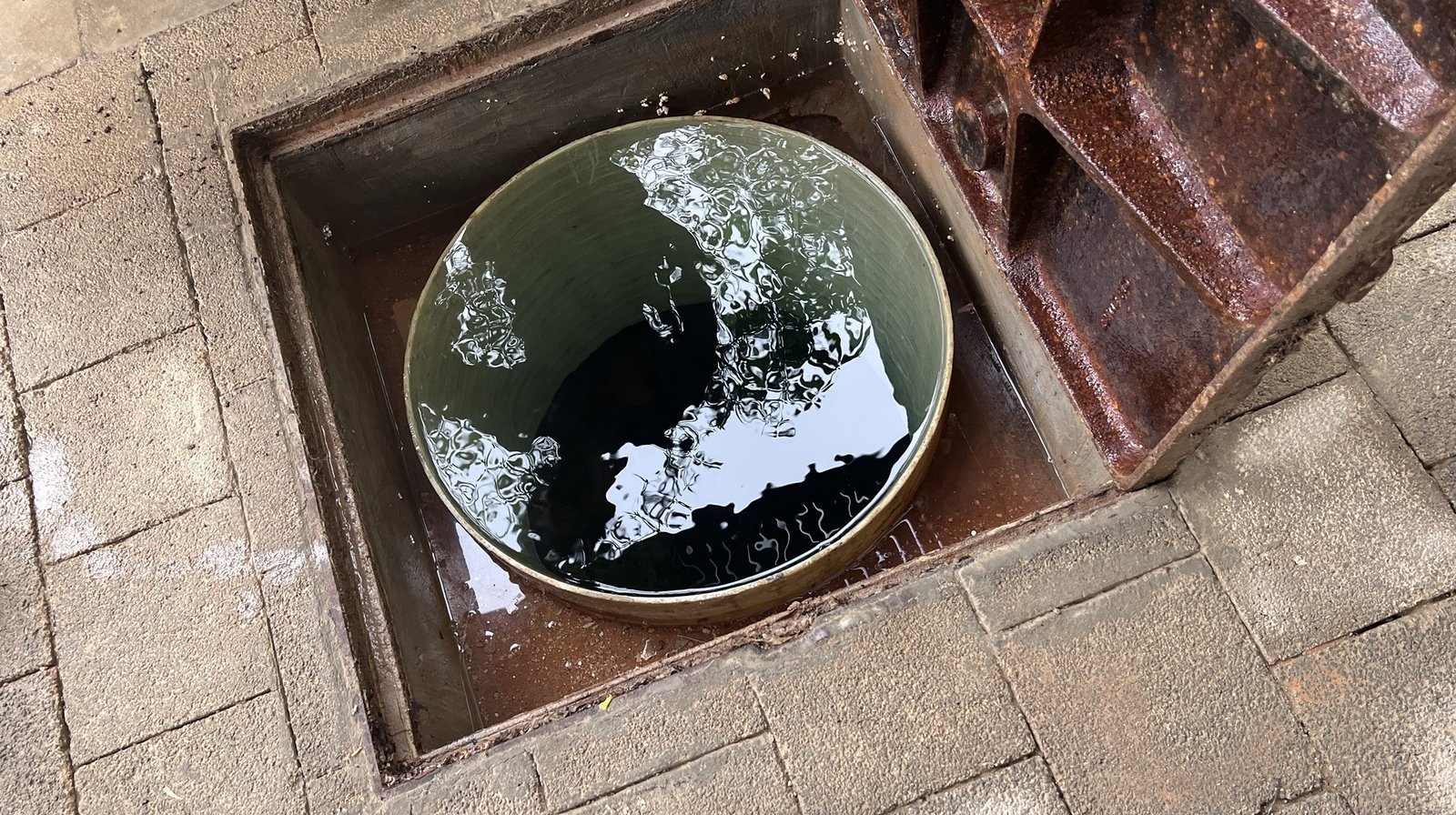
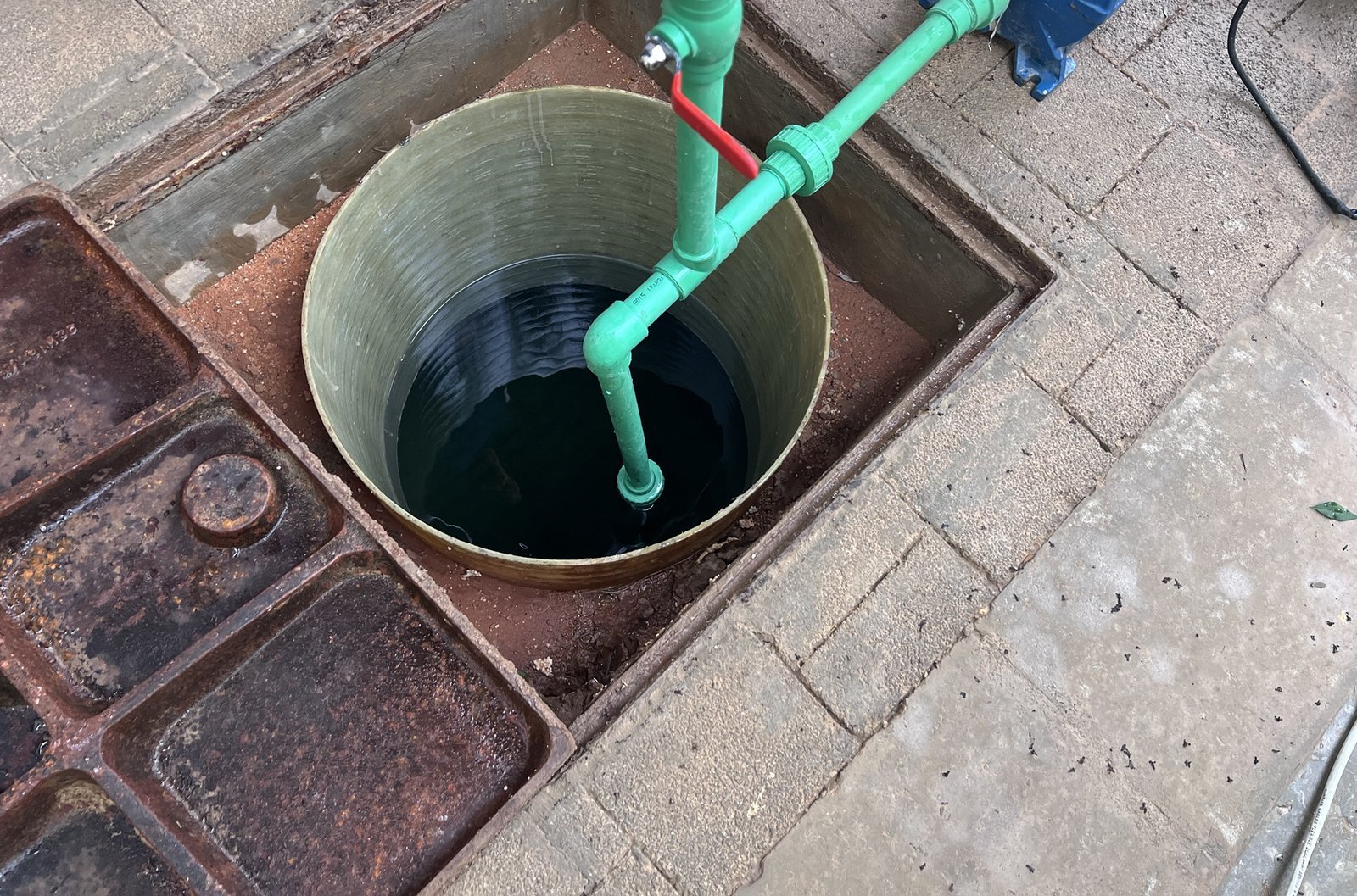
Our house has a fresh water tank below a steel manhole cover in the yard. When the engineers opened it up, they found that a valve on the tank had failed and clean water had been leaking out continuously. Nothing was dripping anywhere we could see. It was all happening quietly underground, so we had no way of spotting it ourselves.
The engineers connected a pump and hose, drained the tank first, and then replaced the broken valve.
The water we already paid for was gone
We found the cause, but there was nothing to be done about the bill we had already received. Water that leaks out has still passed through the meter, so it still gets charged.
Looking back, my one regret is not checking the bill amount every month. We might have caught it a little sooner. If a bill comes in at two or three times the usual amount, tell your landlord or building manager right away rather than first wondering what you did differently. This matters most in homes where the tank, pump or pipes are underground or inside walls, where a tenant can’t easily see them.
NWC: link the meter to your account so the bill comes to you
Water in Saudi Arabia is billed by the National Water Company (NWC). If you rent an apartment or villa, you create an NWC account and, after moving in, register the home’s water meter to your account so the bills are issued to you.
According to news reports, in December 2024 NWC asked customers to verify their meter details so each meter is linked directly to its actual user, whether owner or tenant. In the NWC app or on its website you select the meter account and confirm your relationship to it as owner or tenant. Once linked, you get your bills directly, can see your usage, and can receive alerts when consumption looks high. In buildings where several homes share a single meter, the meter stays linked to the owner.
Around the same time, the rental platform Ejar announced that linking electricity and water meters to the actual user is now mandatory for new rental contracts. NWC and Ejar’s operator first launched a service to transfer the water meter to the tenant at the contract stage back in 2021.
In our case, the alert about the high usage reached our landlord before it reached us. I don’t know exactly why, but I suspect who receives such alerts first may depend on whose name the meter is linked to. When you move in, take a minute to confirm in the app that the meter is linked to you.
Compounds handle this for you; apartments and villas don’t
Compounds charge higher rent, but they handle gate security and estate maintenance, and utilities are part of that. In a compound, these bills are generally taken care of by the compound.
In an apartment or villa, the water and electricity accounts are your job. Closing them on time when you leave matters just as much as setting them up when you arrive. That second part is where I once had real trouble.
When I paid for the next tenant’s electricity
After moving out of a previous home, I forgot to tell the electricity company that I had left. The result was that electricity used by the next tenant was billed to me. Sorting out charges for power I never used took a lot of time and effort.
The Saudi Electricity Company (SEC) lists separate services on its website for Meter Declaration, adding and removing a beneficiary, and Move-out. Move-out ends the contractual relationship between SEC and the person using the electricity at that address. On moving day, put this request ahead of the packing.
What to check when moving in and out
| When | Water (NWC) | Electricity (SEC) |
|---|---|---|
| Moving in | Confirm in the app that the meter is linked to your account | Confirm the meter is declared with you as tenant |
| While living there | Compare the bill every month; tell the landlord at once if it jumps | Compare the bill every month |
| Moving out | Confirm the account link is closed; check the final bill | Submit a Move-out request; check the final bill |
Based on my own experience and the sources below.
Once your moving date is set, add the utility accounts to the International Move Timeline so they don’t get missed.
Menu names and procedures can change, so check with NWC, SEC and Ejar through their official apps or customer service before you apply.
Tools for this article
Sources
- NWC Emphasizes the Importance of Verifying Water Meter Information (Ajel, 19 Dec 2024, news report)
- Ejar says mandatory to link utility meters to beneficiary’s name (Argaam, 17 Dec 2024, news report)
- Linking water bills to the Ejar network (Amlak, 4 Oct 2021, news report)
- Saudi Electricity Company: Electrical Service Connection and Move-out
- Saudi Electricity Company: Account Management, Meter Declaration
- Photos: my own