Desert Camping Near Riyadh: Stuck in the Sand, Then the Air Compressor Died
By Gardener
Once the weather cools down in Riyadh, everyone starts talking about the desert. I got curious too. My first trip was a day out with friends, and later I bought a tent and stayed the night.
Looking back, I went in with far too much confidence: a two-wheel-drive car and no air compressor.
I reached the meeting point and nobody was there
That day I arrived where we had agreed to meet, and I couldn’t see anyone. I went to call and had no signal. In Korea you get coverage almost everywhere, so I hadn’t given it a thought. In Saudi Arabia, it can disappear not far into the desert.
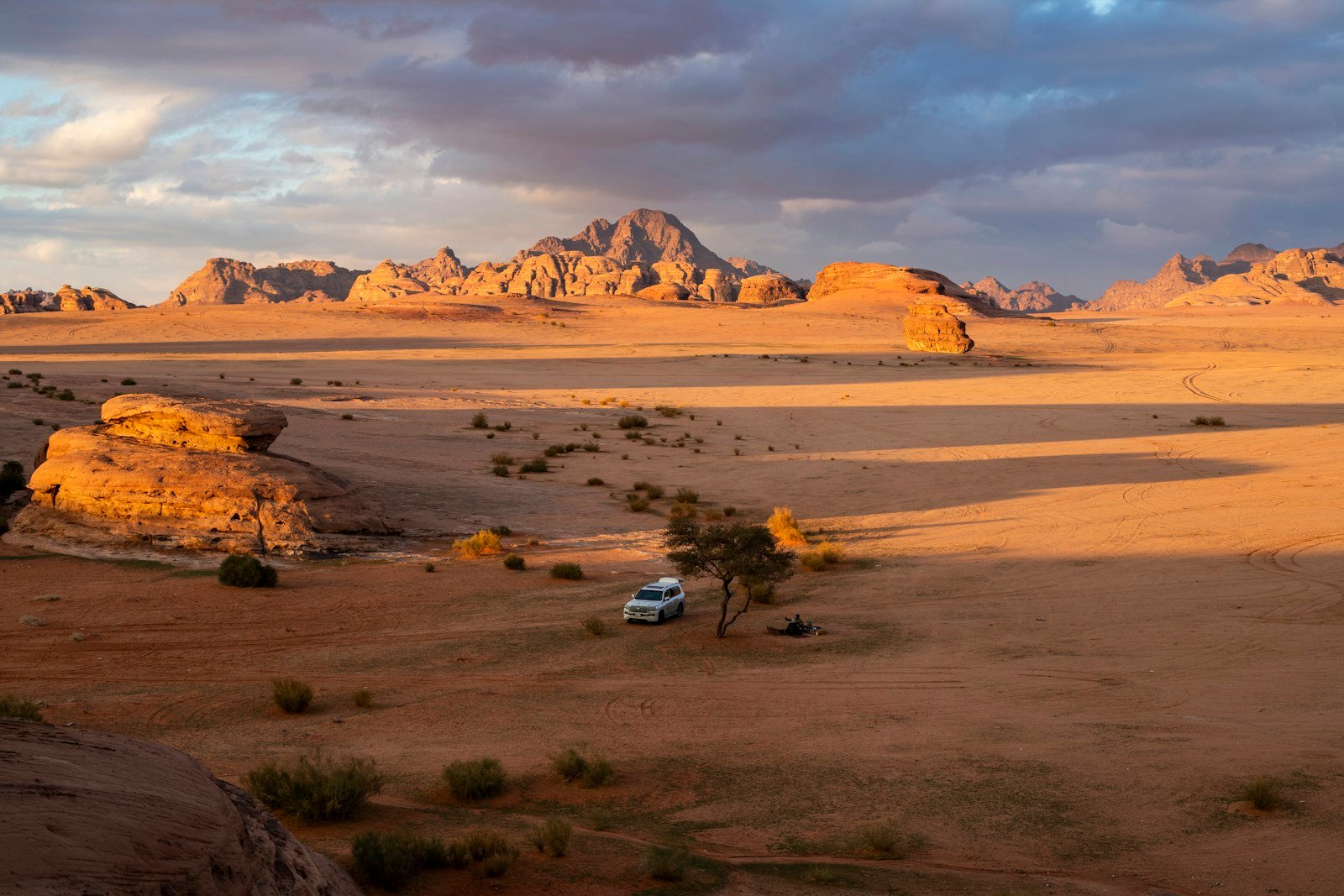
Then the car got stuck in the sand. It was two-wheel drive and it wasn’t going anywhere. No other cars were passing. That was when it started to feel truly dangerous.
Then we faintly heard children playing. My own children said this must be the place, so we went looking, and there was my friend’s group. My children shouted with joy. I suspect I was the one most relieved.
As for the car, some passing Saudis pulled it out while we were driving around in my friend’s car. I’m still grateful to them.
On sand, you let air out of your tires
The strangest lesson was tire pressure. My tires normally run at about 36 to 40 psi. On sand, you bring them down to 15 to 20 psi, which means letting out more than half.
It feels wrong the first time. The right figure depends on your car, your tires and the sand, so treat these numbers as my own experience only. When I looked it up, House of Saud’s desert camping guide suggests 15 to 18 psi, and a UAE off-road parts retailer’s checklist gives 14 to 18 psi for general dune driving. That retailer also warns that driving fast on deflated tires can overheat and damage them, which is why the air should go back in before you pick up speed.
The real trouble came on the way out
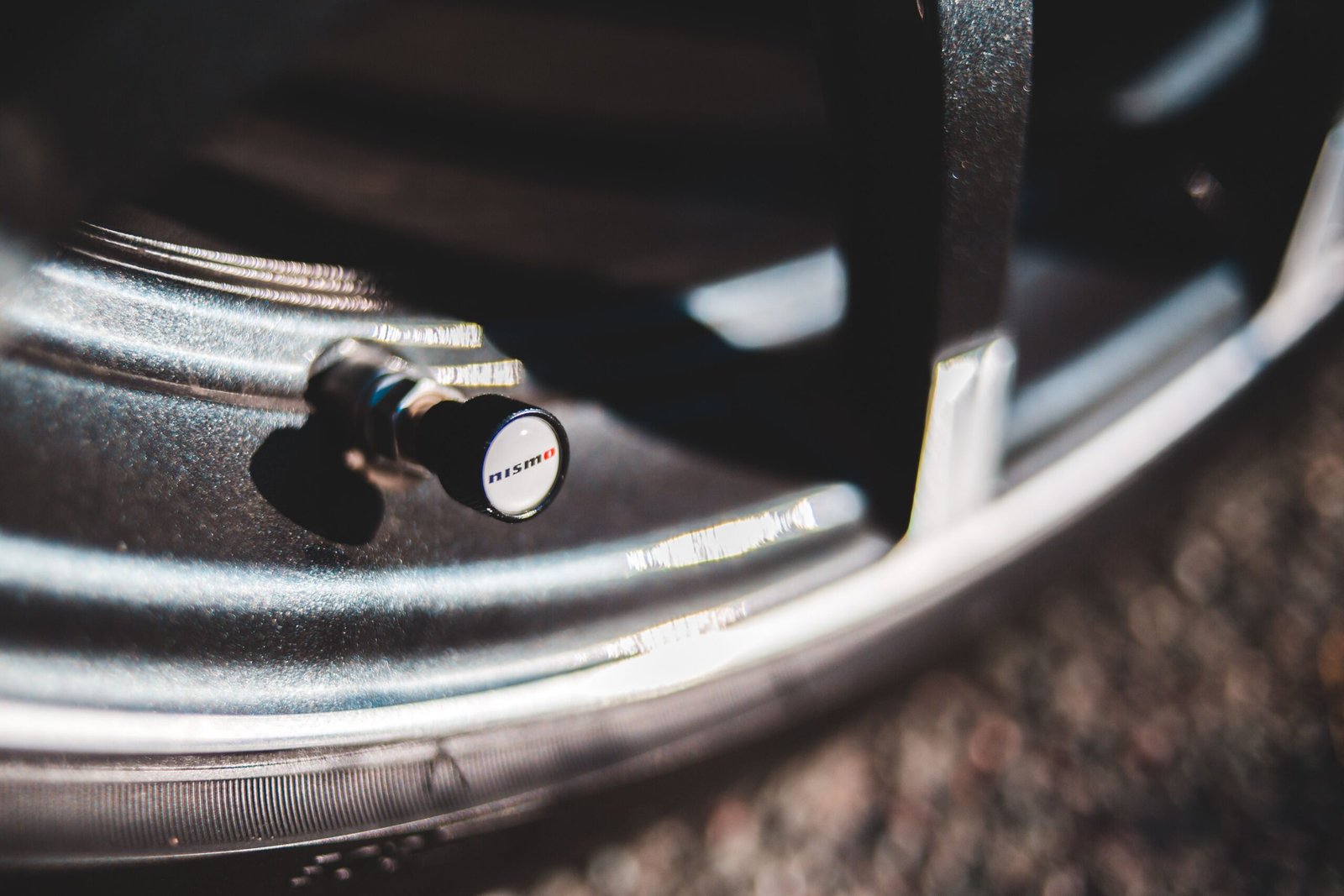
Once you’re off the sand, the air has to go back in. That takes a portable compressor, and I didn’t have one, so I borrowed my friend’s.
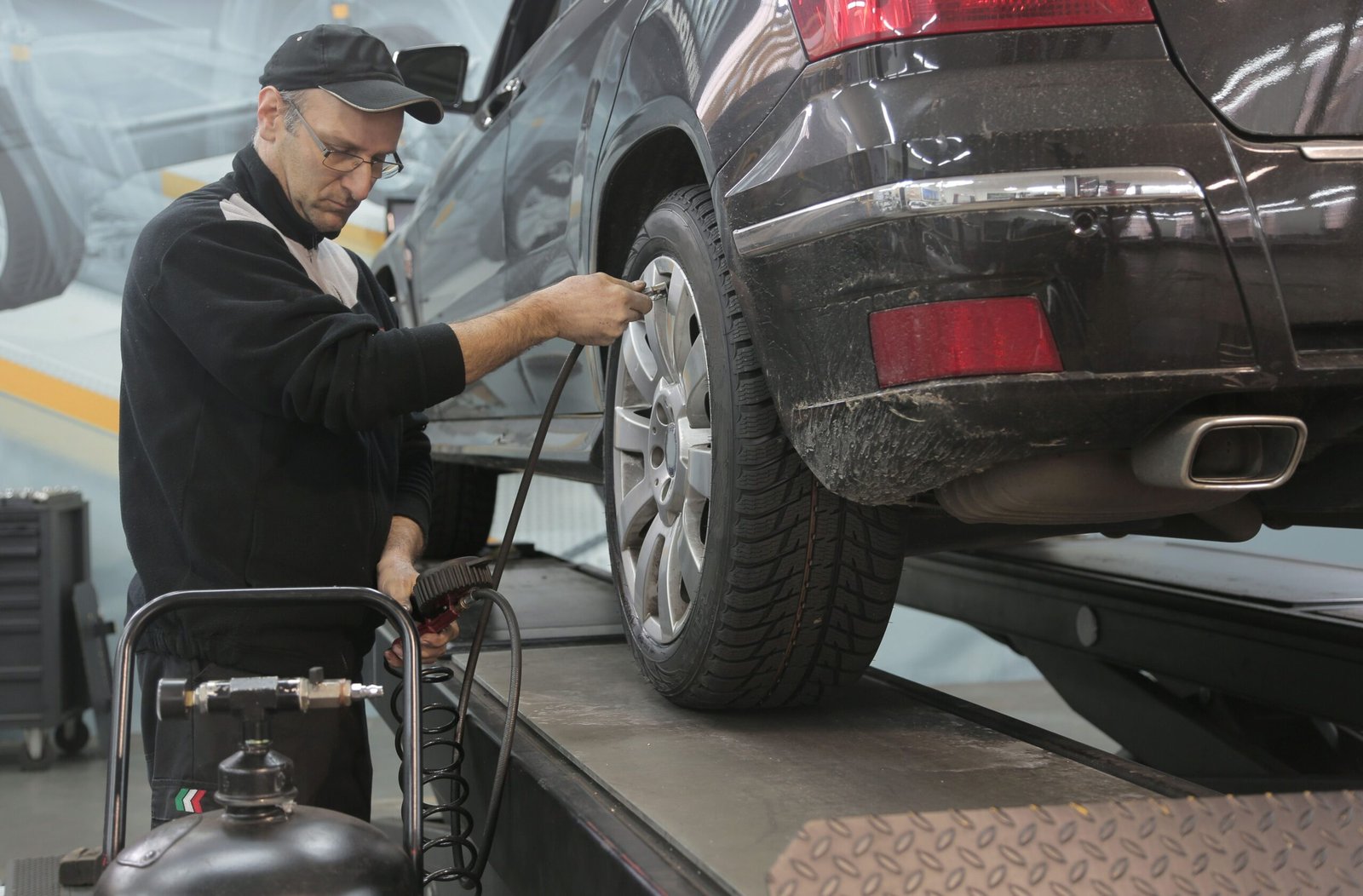
Filling four tires takes longer than you’d think, and the machine keeps getting hotter. It finished my car, then broke down partway through my friend’s.
I was embarrassed. I had turned up unprepared, and I worried I had been nothing but trouble. So here is my first piece of advice: don’t buy a cheap compressor. Buy a sturdy one that can handle your four tires and someone else’s too.
If the compressor dies, head for a petrol station
There is still a way out. Add just enough air for the car to move, then drive slowly to the nearest petrol station.
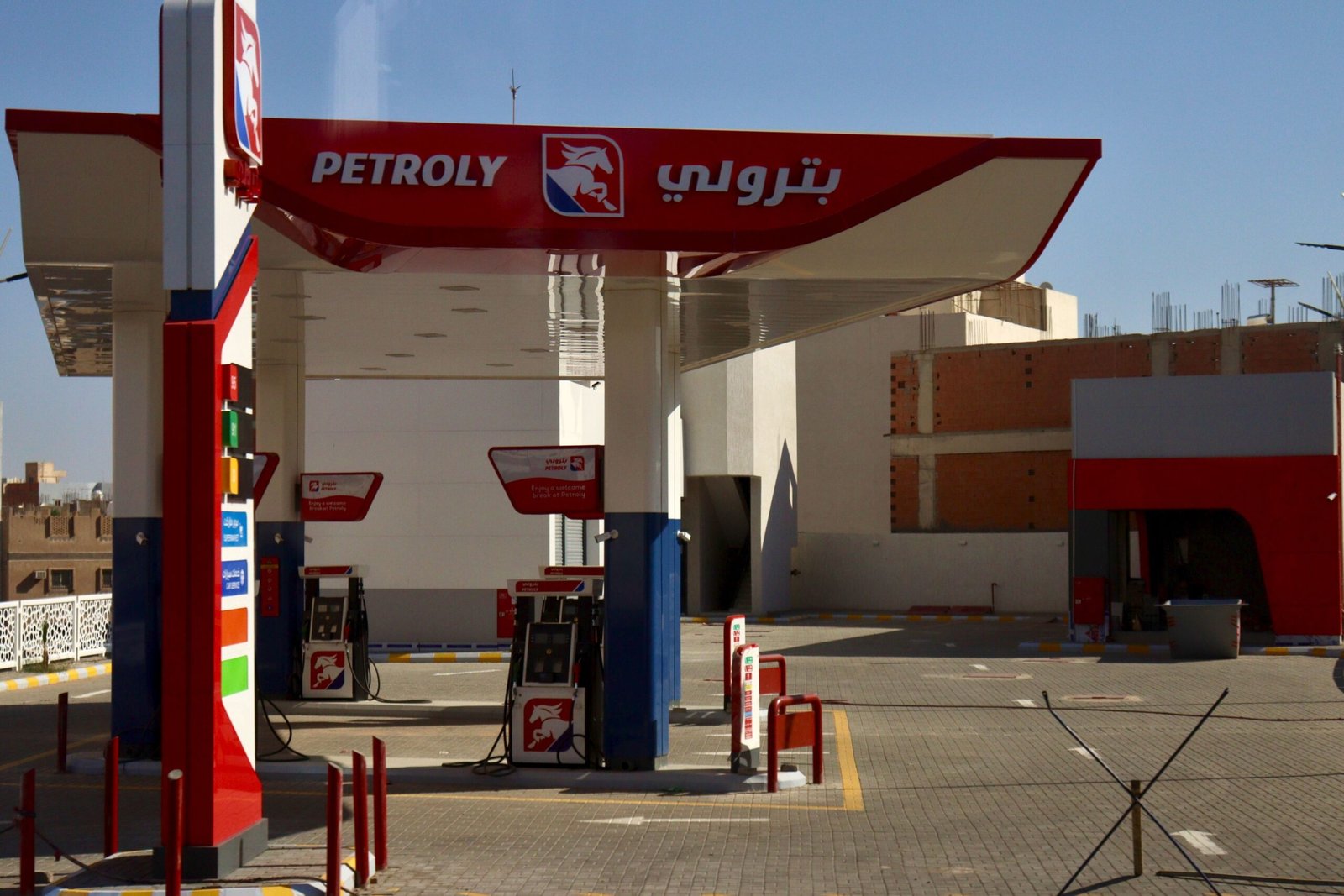
Saudi petrol stations are more like small service hubs than places to buy fuel.
| What you’ll usually find | What it’s for |
|---|---|
| Fuel pumps | Filling up |
| Small shop | Water and snacks |
| Tire shop | Air and tire repairs |
| Car repair shop | Basic fixes |
| Car wash (sometimes) | Getting the sand off |
In my experience, well over 90% of stations have a tire shop, and the air has been free.
Why I’d still say go
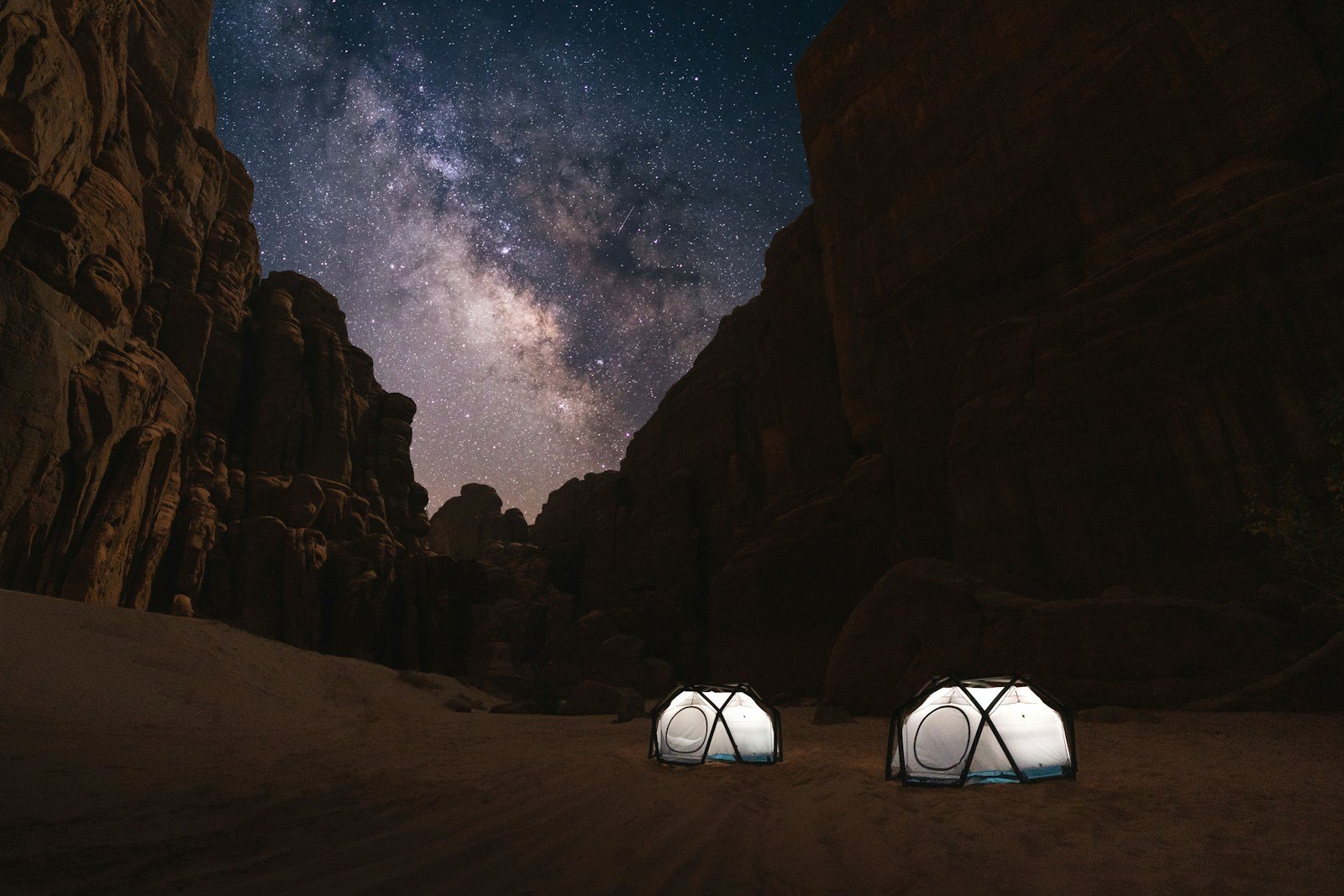
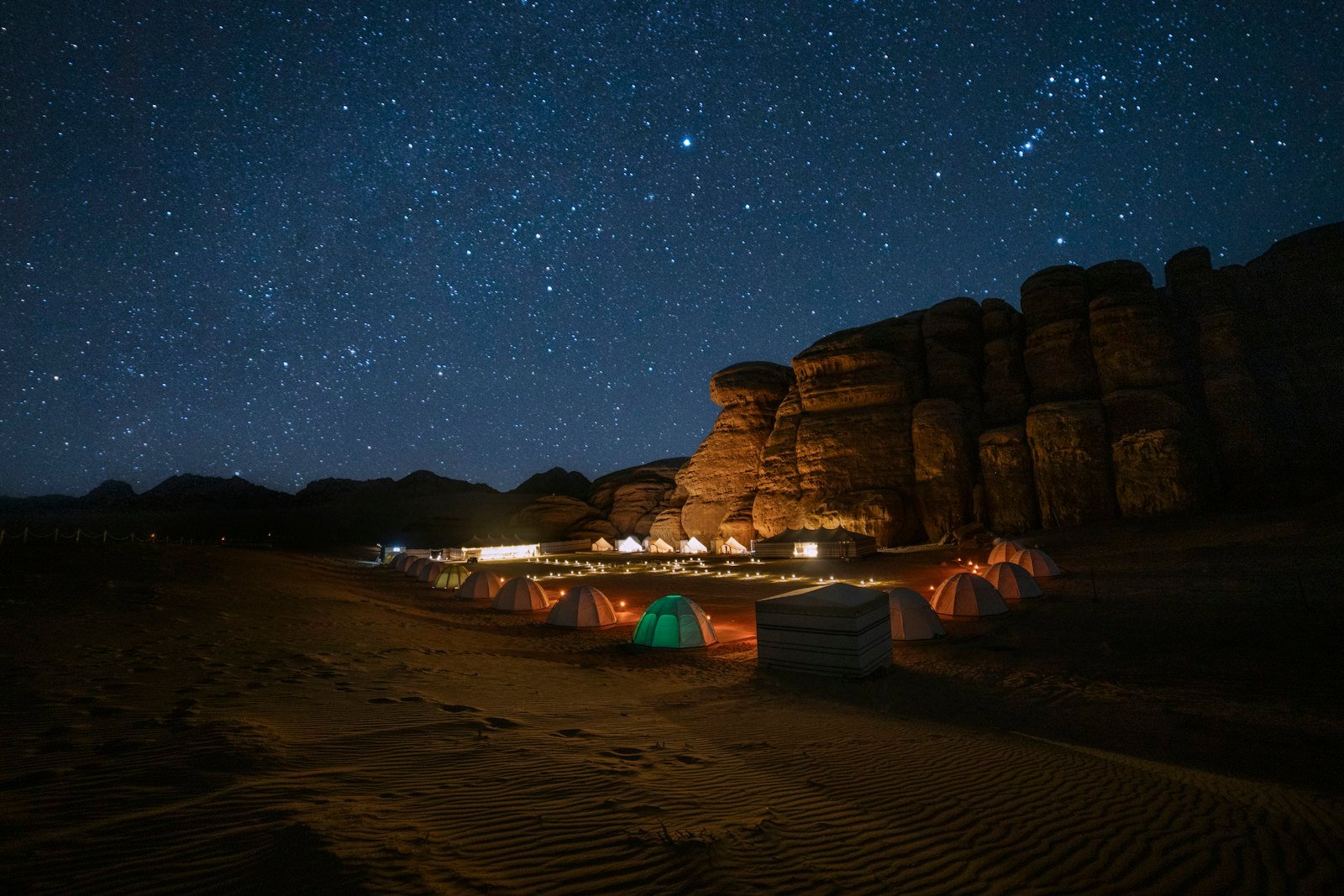
At night the desert gets truly dark. You can’t see anything, and at first it scared me a little. But that same darkness makes the stars incredible. We also saw a desert fox, and my children loved it.
Even after all that, I think it’s worth doing at least once. Just don’t do it the way I did.
Desert camping has rules too
While writing this, I looked up Saudi sources and found more that beginners should know.
- Season: House of Saud recommends November to March and says to avoid June to September, when daytime temperatures can exceed 45°C.
- Permits: Saudi Arabia’s vegetation authority, NCVC, directs campers to authorized vegetation cover areas, with permits issued through the Nabati platform. A 2024 report put this at 51 sites in eight regions.
- Firewood: According to the Saudi Press Agency, using local firewood or charcoal is prohibited and subject to penalties. Light fires only in approved spots and put them out fully before leaving.
- Waste: Dispose of it in designated areas.
I couldn’t confirm from these sources whether a particular spot needs a permit or what the fines are, so check Nabati before you go.
What I’d bring next time
- A four-wheel-drive vehicle
- A sturdy portable compressor and a pressure gauge
- Your group, leaving together, since you may not be able to call on site
- Enough time to arrive before sunset
- A friend or relative who knows your location and return time
- Offline maps, a flashlight and plenty of water (House of Saud suggests at least 5 liters per person per day)
How far to lower tyre pressure on sand and what to prepare for your first desert trip are also in the Saudi life safety quiz.
Tools for this article
Sources
- Saudi Press Agency, NCVC camping campaign (Jan 22, 2025)
- Saudi Gazette, camping permit platform (Jan 21, 2024)
- House of Saud, desert camping guide (Apr 7, 2026)
- Xtreme 4×4, UAE dune driving checklist (retailer)
Photos: NEOM, SALEH, SALEH, Unsplash License. Erik Mclean, Andrea Piacquadio, Fahad Puthawala, Pexels License.